Cash offer.
A cash offer request asks investor buyers in the Homexa® network to make an offer on your home as it stands. The house stays off the open market and nobody hands you a repair list. Investor offers are usually below what the open market would pay. The trade is speed and fewer conditions, and it only works if a buyer decides to make an offer.
Cash offers come from independent buyers in the Homexa® network. No offer or price is guaranteed.
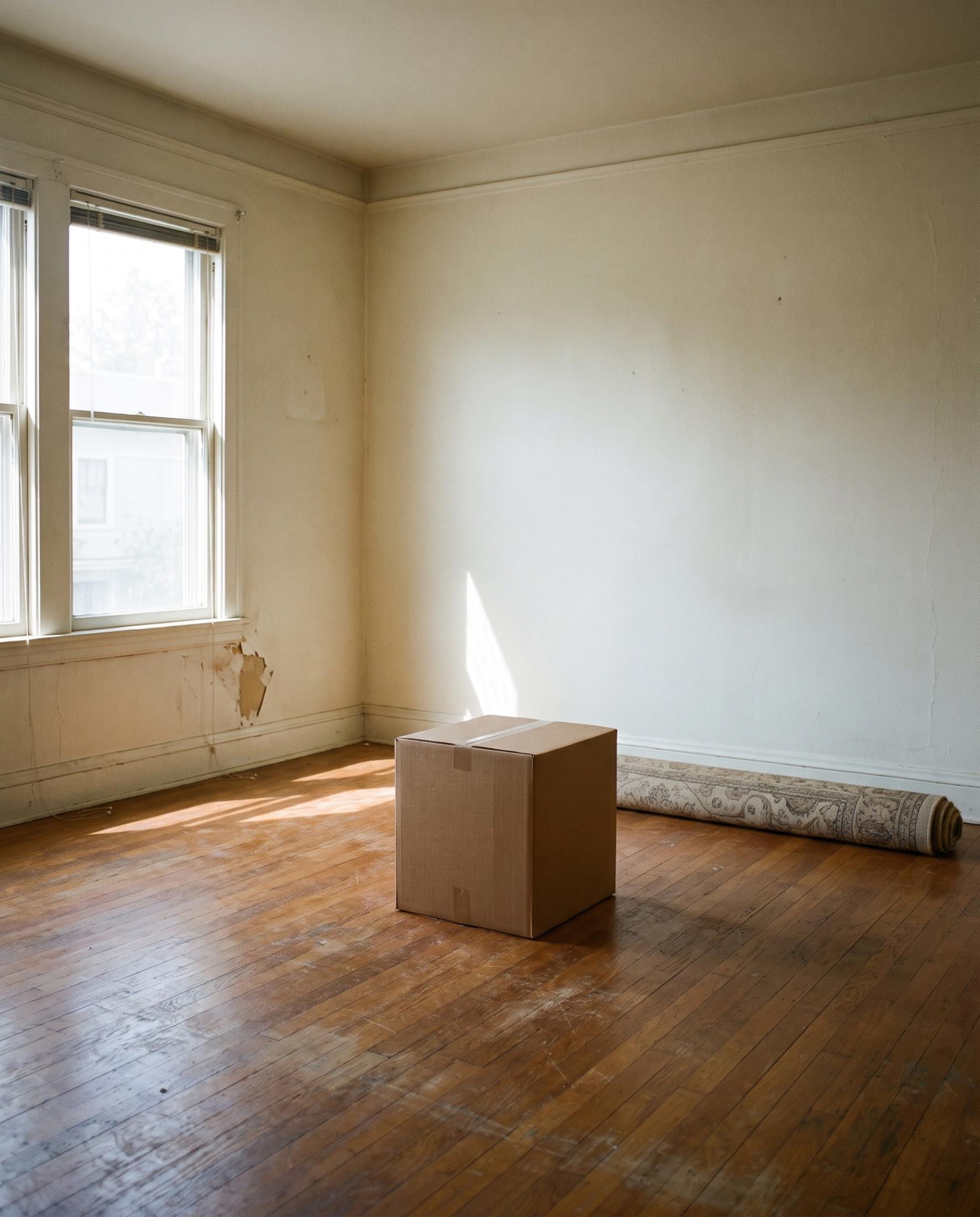
How does a cash offer request work?
You share the house, it is documented in a walkthrough, the details go to investor buyers in the network, and any buyer who wants it makes a written offer for you to consider.
It starts with the address and what you already know about the property. Austin then walks the house in person and records its condition with photographs and notes: the roof, the mechanical systems, any water history, the rooms that need work, the things that work fine.
With your permission, that package goes to investor buyers in the Homexa® network. Interested buyers may ask to see the house themselves, usually in a small number of scheduled visits. A buyer who wants to go ahead submits a written offer stating the price and the proposed closing date.
You see every offer that arrives, with the listing plan beside it for comparison. Then you decide. How long all this takes depends on the house and on the buyers, and it varies.
Who makes the offer?
Independent investors. People and companies who buy houses to renovate and resell, to rent out, or to build on the land.
“Sold or I Buy” is shorthand for two outcomes: sold on the open market, or bought by one of these investors. Austin does not buy the house. Each investor runs their own numbers and makes their own decision, and some will pass on a given house for reasons that have nothing to do with you. The renovation may be bigger than they take on, or they may already own two houses on that street.
Throughout the process Austin represents you, the seller. His job is to put every offer in front of you with a plain explanation of its terms, after checking that the buyer can actually close.

Why is a cash offer usually lower than list price?
Because the investor’s price has to leave room for repairs, holding costs, the cost of reselling and a profit, and a buyer who plans to live in the house doesn’t budget for any of those.
The math usually starts with what the house would sell for once it’s fixed up. From that come the cost of the repairs, the cost of holding the property while the work happens (loan interest, taxes, insurance, utilities), the cost of selling it again, and a margin that justifies the risk of a surprise behind the drywall.
On a house that needs very little, that math leaves a wide gap between the cash offer and the open-market price. On a house that needs a great deal, the gap can narrow, because retail buyers discount the same problems, and some of their lenders won’t finance a house in poor condition at all.
What do I get in return for a lower price?
Mainly, fewer things that can go wrong between signing and closing.
A cash buyer has no loan to be denied and no appraisal to come in short. Many investors buy as-is and don’t ask for repair credits, though some keep an inspection or feasibility period, and that period deserves a close read. There are no public showings, and no keeping the kitchen spotless for weeks while strangers tour it.
The closing date is often flexible, and a buyer may propose one that fits your move. Whatever date appears in an offer is the buyer’s proposal. It becomes a commitment only once both sides sign.
What should I check in any cash offer?
Proof of funds, the earnest money, the inspection period, assignment language, closing costs and possession. Price is the first line of an offer, and these six decide whether it closes.
- Proof of funds
A current bank statement or lender letter showing the buyer can close in cash, dated recently enough to mean something.
- Earnest money
How much goes into escrow, and the date it becomes non-refundable to the buyer.
- Inspection or feasibility period
How long the buyer can walk away, and for what reasons. A long, loosely worded period is an option, and the buyer holds it.
- Assignment language
Some buyers put a house under contract and then sell that contract to another buyer for a fee. You should know if that is the plan before you sign.
- Closing costs
Which escrow and title costs each side pays, as written. Watch for a buyer’s own costs moved quietly into the seller’s column.
- Possession
The day you hand over the keys, and how any extra days after closing are written if you need them to move out.
Two offers with the same price can be very different offers. The one with larger earnest money and a verified buyer behind it is often the stronger of the two.
When does a cash offer make sense?
When the house, the timing or the circumstances make an open-market sale hard.
An inherited house full of belongings, with the family spread across several states. A house that needs a roof and has foundation movement to go with it. A septic system near the end of its life on acreage out in Graham or on the Enumclaw plateau. A rental with tenants who are entitled to advance notice before each showing under Washington’s landlord-tenant law. A job transfer with a firm start date. A seller who, after decades in the house, simply doesn’t want strangers walking through it.
None of these rule out listing. They change what the comparison looks like, which is why you see both.
Do I still need an agent for a cash sale?
You don’t have to have one, and having one means someone reads the agreement with only your interests in mind.
That means checking the buyer’s proof of funds, holding each offer against a realistic listing price, catching an assignment clause or a long feasibility period, and managing escrow to the end. How Austin is compensated on a cash sale is agreed in writing, up front, before you sign anything with a buyer.
A cash offer, set against listing
You trade some price for a shorter path to closing. The house stays off the open market and there is no lender to approve. Repairs are priced into the offer up front, which makes a second round of haggling after an inspection less likely. Whether any of that happens depends on an independent buyer deciding to make an offer.
It tends to fit a house that needs real work, an estate, a rental with tenants, or a move with a date that can’t slide.
More work and more waiting, in exchange for the whole market seeing the house. Usually the higher number, if the sale holds together through the buyer’s inspection and loan approval.
Request a cash offer.
Tell me about the house. I’ll document it, share it with buyers in the network if you want me to, and put whatever comes back beside a full listing plan.
Start with the addressOr call me at 206.940.0942
Email Austin.Hellickson@homexa.com